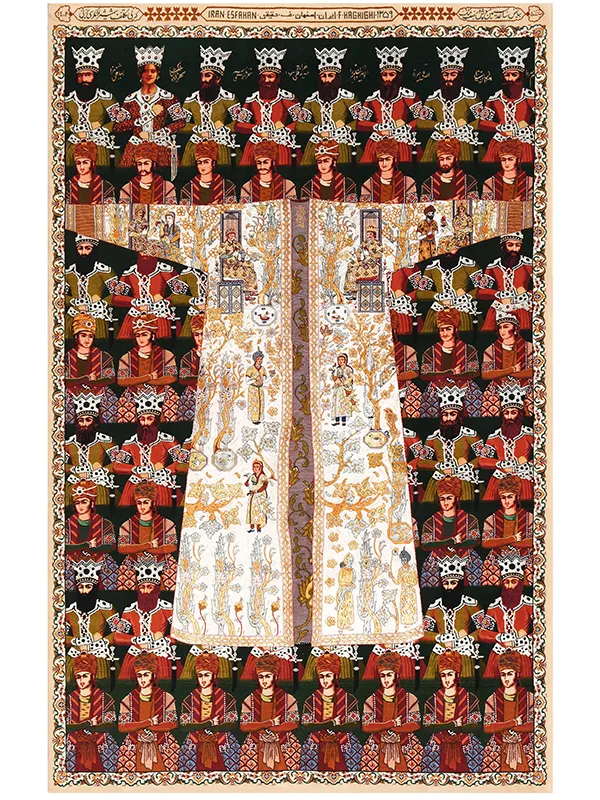
Our Heritage
A Legacy Woven Through Generations
From 19th-century Isfahan to the world, the story of Haghighi Rugs is one of artistry, innovation, and devotion to the timeless craft of Persian carpet weaving.
A Family of Innovators since the early 19th century
The story begins with Master Abdolsamad Khan, born around 1870, he tried to carry forward the ancestral artistic tradition of the family from the very young age.
Through the daring act of reverse engineering, inspired by a woven saddlebag, Abdolsamad and his brother Abdolmotaleb Khan, pioneered new approach to carpet weaving craft, reshaping this ancient Isfahani art.
Abdolmotaleb’s sons active in carpet weaving, Abdolrahim, Abdolkhalegh, Abdolghaffar, became known as ‘Rebel Family’, celebrated for their revolutionary techniques that fused deep tradition with fearless experimentation. Their legacy continues to define the creative spirit of the Haghighi family today.
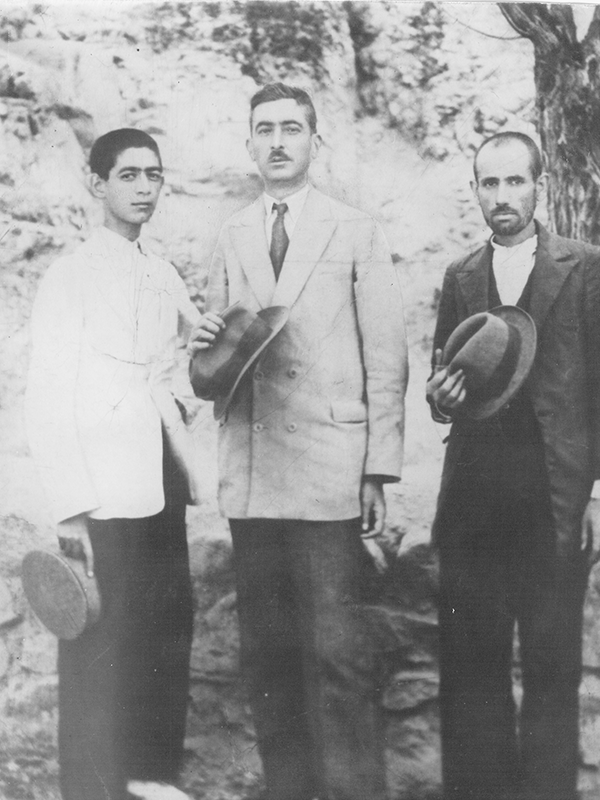
Mehdi Khan Safdarzadeh Haghighi (1888-1968) – The Visionary Founder
Born in 1888 in Isfahan, Mehdi Khan Safdarzadeh Haghighi grew up immersed in the artistry of both the AbdolSamad and AbdolMataleb families. His marriage to Sadigheh Beigum, daughter of Master AbdolSamad Khan, united two powerful lineages of craftsmanship, a union that symbolised the merging of heritage and innovation.
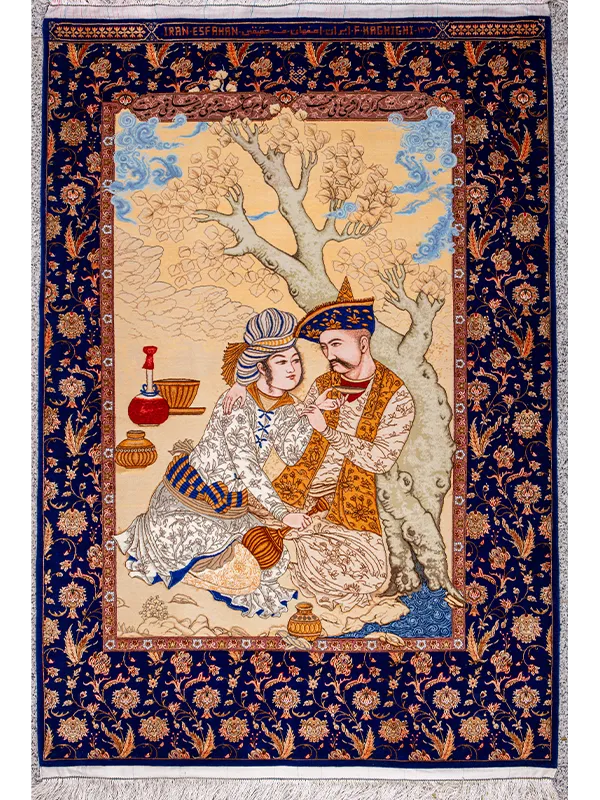
Guided by this legacy, Mehdi Khan developed his own signature style; refined, intricate, and profoundly expressive. His close friendship with Mirza Agha Emami, one of the most celebrated painters and carpet designers of the Qajar and Pahlavi eras, led to collaborations that transformed Persian carpet designs. Together, they elevated the craft of carpet weaving from artisanal tradition to fine art, where colour, form, and narrative intertwined in poetic harmony.
Mehdi Khan’s legacy endures as the true foundation of Haghighi Rugs, where every creation is both a continuation and a reinvention of the artistry he began.
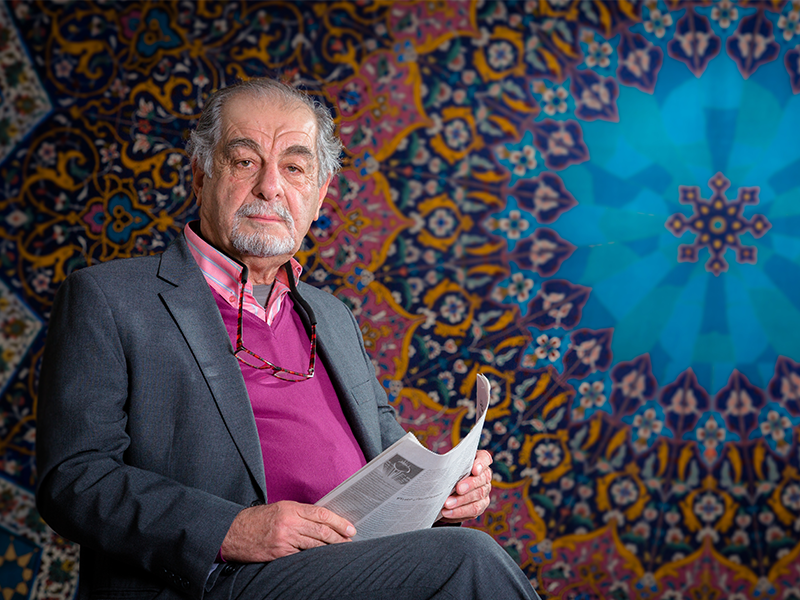
Feizollah Khan Safdarzadeh Haghighi (1942-2020) — The Modern Master
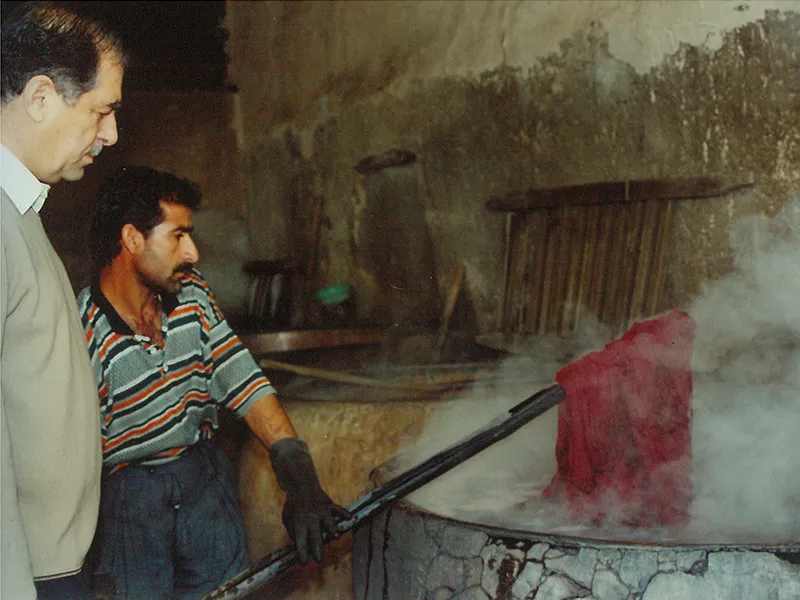
Born in 1942 in the heart of Isfahan, Feizollah Khan inherited not only his father’s mastery but also his visionary spirit. From his early days wandering the bazaars, he saw carpets as living stories, tapestries of memory, place, and imagination.
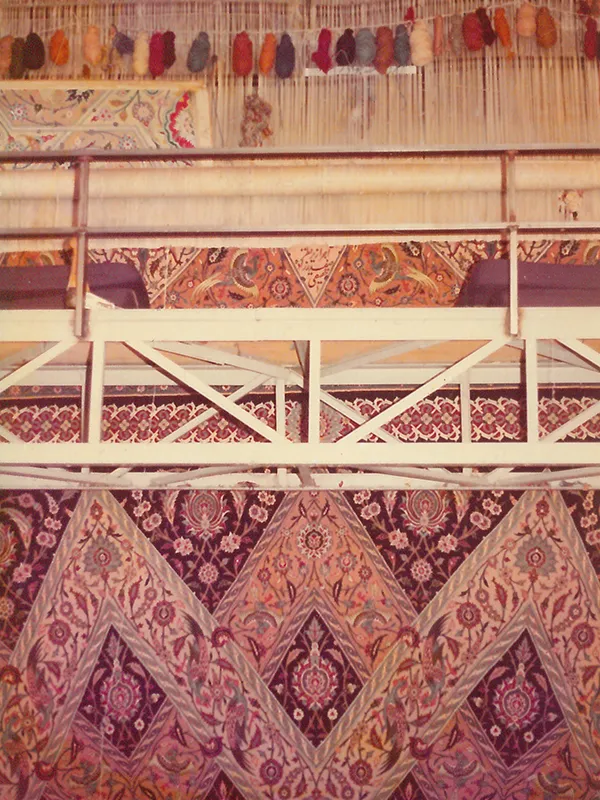
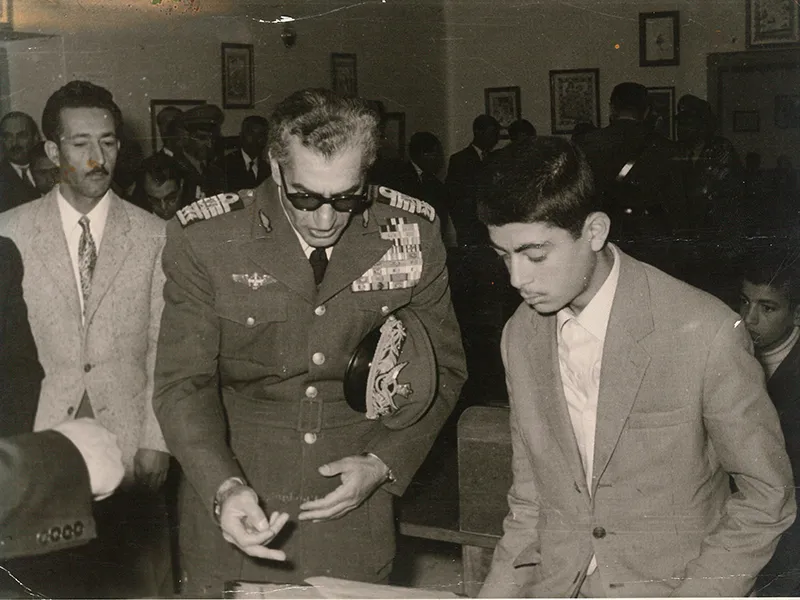
Educated at the Isfahan School of Fine Arts under Master Javad Rostam Shirazi, Feizollah Khan blended academic artistry with ancestral knowledge. His collaborations in the restoration of Naghsh-e-Jahan Square in the 1960s and carpets commissioned for the 2,500th anniversary of the Persian Empire reflected both technical brilliance and cultural pride.
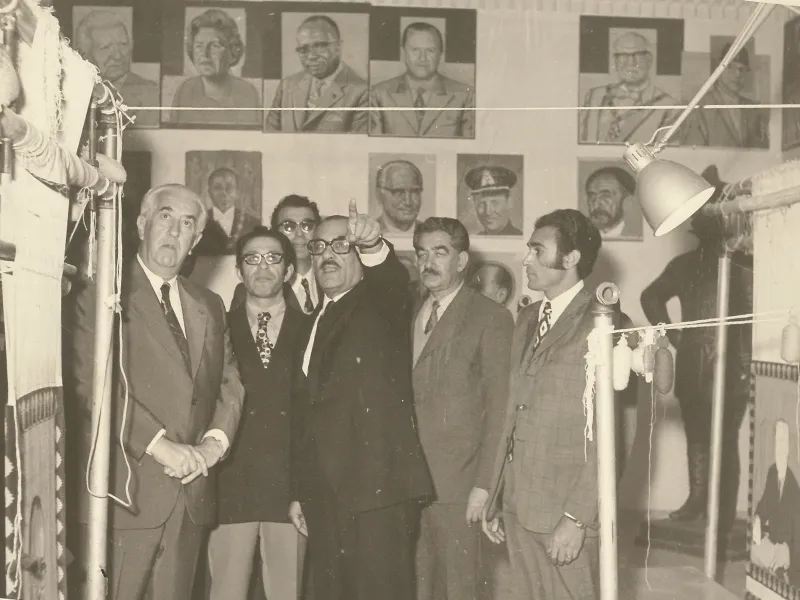
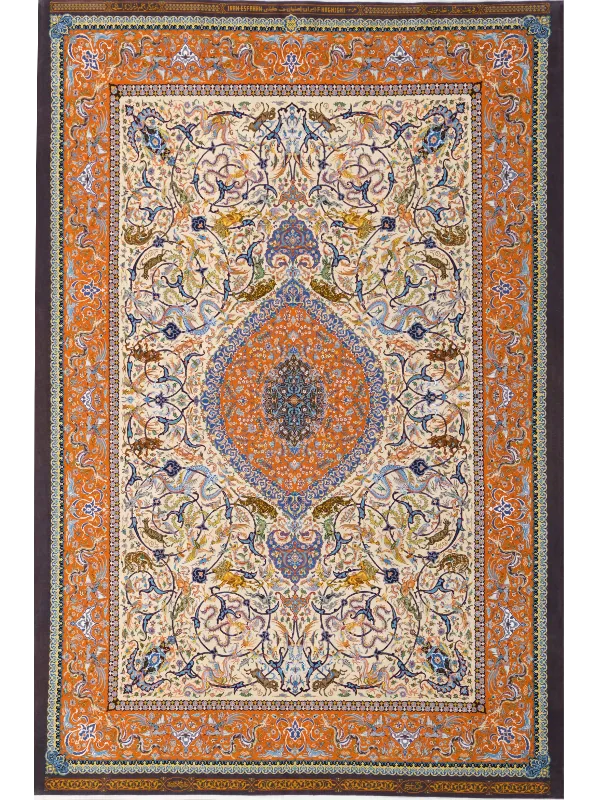
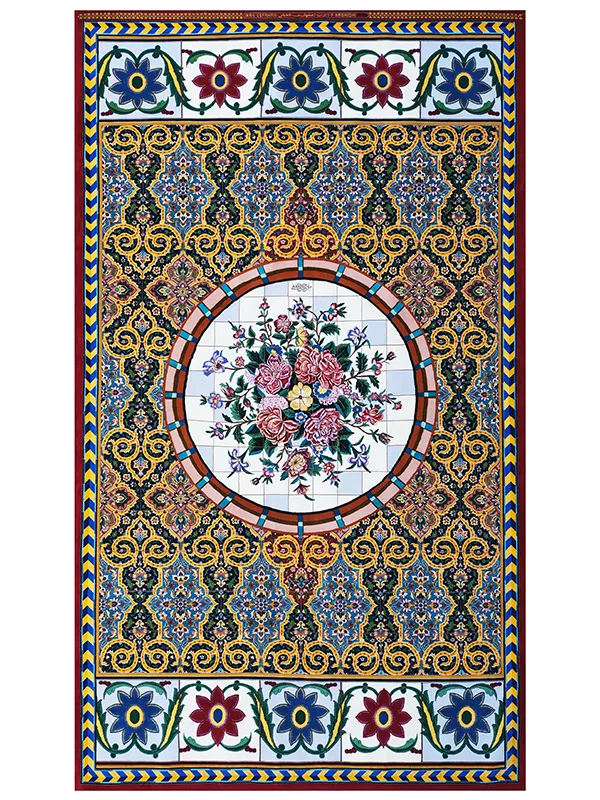
Through the 1970s and 1980s, his work bridged the classical and the contemporary, drawing inspiration from Safavid architecture; the turquoise domes, the symmetry, the rhythm of colour. His carpets became symphonies of heritage and modernity.
By the 1990s, Feizollah Khan turned to teaching and guiding his children. Mohammad Mehdi, Amir Hossein, Alireza, Shahrzad, and Farnaz to carry forward the family tradition. He instilled in them that “a carpet is not woven by hand, but by heart.”
Feizollah Khan’s passing in 2020 marked the end of an era, yet his legacy continues through his children’s artistry and through every creation bearing the Haghighi name.
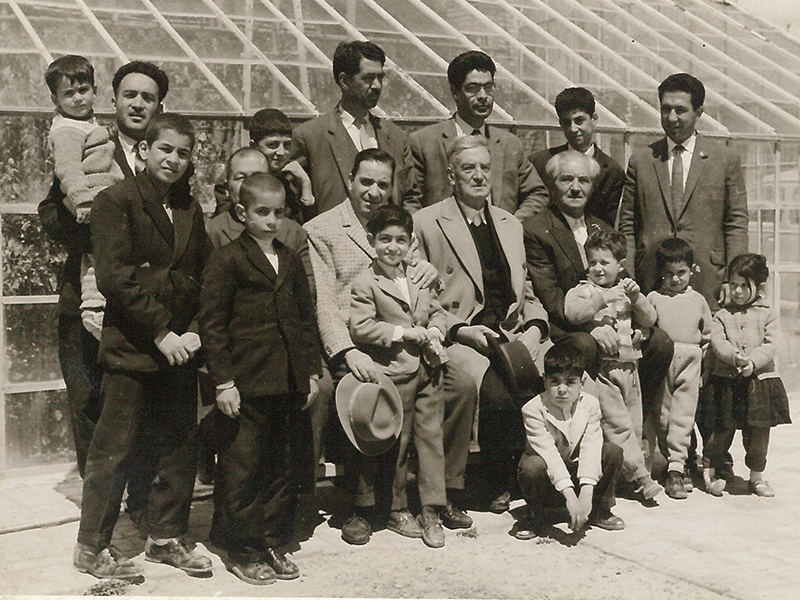
The Next Generation — The Continuation of an Art Form
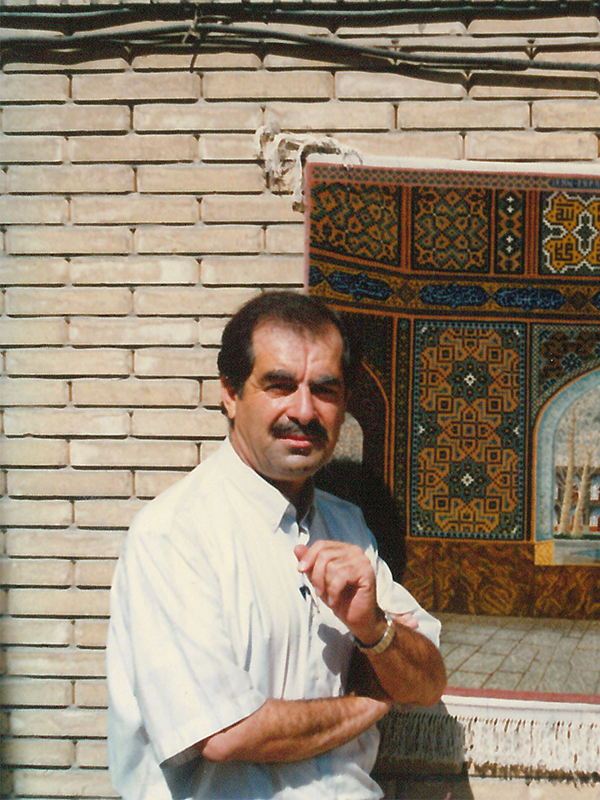
Mohammad Mehdi Safdarzadeh Haghighi
Architect, designer, and master weaver, Mohammad Mehdi represents the fusion of structure and soul. His background in architecture informs his precise yet expressive approach to design, where geometry meets poetry. Among his internationally acclaimed works are The Silk Road Carpet, The Neo-Anhalt Carpet, The Zolal Carpet, and The Hermes Carpet — creations that have graced exhibitions from Verona to Tokyo, bridging Iranian heritage with global artistry. For him, each piece is “an untold story,” a dialogue between past and present.
Amir Hossein Safdarzadeh Haghighi
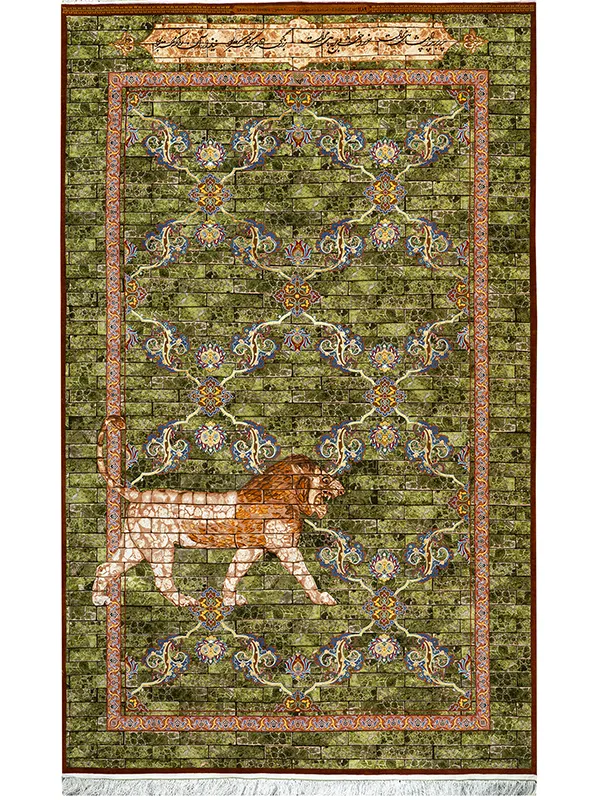
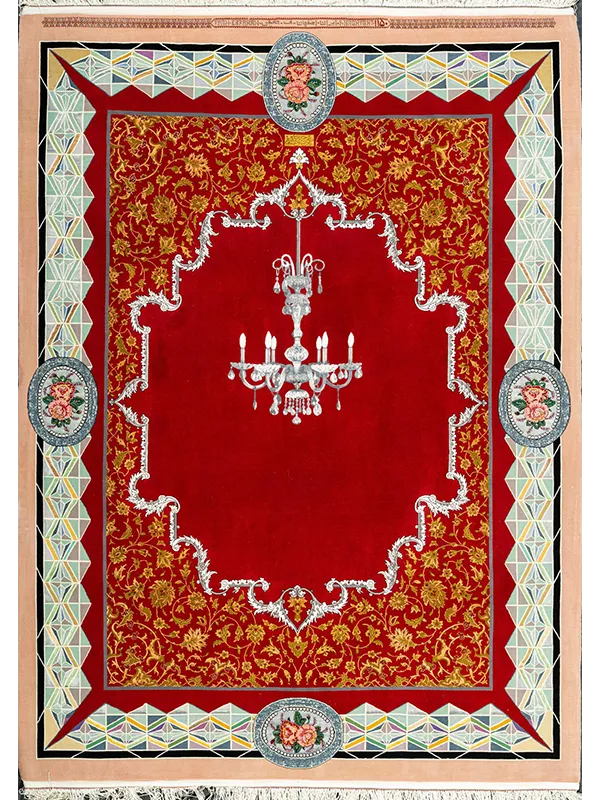
A poet of form and feeling, Amir Hossein’s works reimagines Iranian symbolism through modern artistic language. His carpets — from Sof-e Salam to The Tree of Light — embody a dialogue between time, identity, and illumination. He transforms the carpet into an emotional landscape, where turquoise fish swim across tile-inspired waters and chandeliers of light connect tradition with the future. His creations serve as meditations on memory, rebirth, and the enduring beauty of Iranian culture.
Alireza Safdarzadeh Haghighi
The youngest of the brothers, Alireza brings technical innovation and colour mastery to the Haghighi atelier. Educated in computer design, yet nurtured under the eye of his father and masters such as Jafar Gholi Fadakar and Rostam Shirazi, he learned to merge precision technology with handmade perfection. His first carpet, drawn from Master Rostam Shirazi’s final sketch, marked the emergence of a distinctive artist devoted to preservation and evolution alike. Alireza’s offering of Golestan-e Eshgh to the holy shrine of Imam Reza stands as a timeless tribute — a gesture of gratitude, faith, and love for his craft.